
The Clinical Relief saga became a landmark case in Michigan’s early medical marijuana story—a clash between compassionate entrepreneurship and heavyhanded enforcement. It highlighted the urgent need for clear laws, local-state coordination, and respect for patients. Most importantly, it showed that silent persistence—opening doors, serving communities, and standing firm—can be the most powerful protest of all.
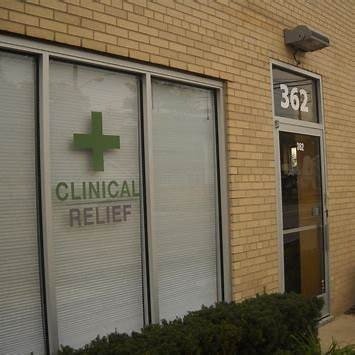
“Medical Marijuana Facilities Raided” (Aug 26, 2010)
OAKLAND COUNTY NARCOTICS ENFORCEMENT raided Clinical Relief, arresting 15 individuals and seizing over $3 million in cannabis and equipment. Sheriff Bouchard declared the facility unlicensed and illegal under federal law, while clinic manager Barbara Agro highlighted trauma inflicted on patients, including some with serious health conditions
Pride Source – “17 Charged in Medical Marijuana Raids” (Sep 2, 2010)
Coverage on 17 people charged in the raids. Arbiter Barbara Agro proclaimed, “We aren’t going anywhere,” emphasizing the resilience of both staff and patients in the face of police action
CBS Detroit – “Clinical Relief Associates Ordered to Stand Trial” (May 7, 2011)
Eight clinic associates were ordered to face trial after undercover operations. Defense argued operations were legitimate and followed the state’s medical marijuana registry, while prosecutors maintained the dispensary fell outside legal protections
“Judge Dismisses Charges…” (Jan 12, 2012)
Judge Daniel O’Brien dismissed charges against seven defendants, ruling language in Michigan’s Medical Marijuana Act was ambiguous. Defense attorney Neil Rockind praised the decision and its implications
Clarkston News – Local Coverage (Jan 18, 2012)
Barbara Johnson, an employee, expressed confidence in their operations, describing Clinical Relief as “like a normal clinic—a doctor’s office,” reinforcing their commitment to patient care and regulatory adherence
CBS Detroit – “Drug Charges Reinstated by Appeals Court” (Sep 11, 2013)
The Michigan Court of Appeals reinstated charges against 16 people, ruling dispensaries weren’t protected under the original law. Prosecutors argued operators knowingly violated statutes despite state registration CBS News.